

Phage Therapy in Pets and Livestock
Quick Check: Phage Therapy in Veterinary Medicine
-
Efficacy: High success rates against antibiotic-resistant pathogens such as Staphylococcus pseudintermedius (skin/ear) or E. coli (gastrointestinal/UTI).
-
Safety: Extremely targeted and safe; the animal’s beneficial microbiota is preserved, which is particularly essential in sensitive species (e.g., rabbits, horses).
-
Status: In Germany, available to veterinarians within the scope of therapeutic freedom as off-label use or as a magistral preparation for individual animals.
This specialist article was prepared based on current veterinary medical studies (as of 2026) and reviewed by experts in veterinary medicine and microbiology.
In addition to humans, many pets and livestock also suffer from bacterial infections. These bacterial infections are also treated with bacteriophages in animals in Eastern Europe.
The treatment or therapy is carried out analogously to human treatment, depending on the clinical presentation.
Scientific Classification & Study Status
In veterinary medicine, phages are gaining significant importance as an alternative to reserve antibiotics. Scientific focus areas include the treatment of chronic pyoderma, otitis externa, and gastrointestinal infections. Phages prove particularly efficient against multidrug-resistant staphylococci (MRSP) in dogs as well as against Salmonella and Campylobacter in livestock farming. Since phages can enzymatically dissolve biofilms in wounds or ear canals, they achieve healing success where conventional ointments often fail.
The Georgian Eliava Institute has a long tradition in the development of veterinary phages, which have already been used in agriculture for disease prevention. In Europe, specialized Belgian laboratories and German research projects are advancing standardization. While the PhagoBurn project primarily established human standards, veterinarians today benefit from the resulting GMP-compliant (Good Manufacturing Practice) manufacturing processes. Current studies (2025/2026) confirm that topical or oral administration of phages in small animals shows minimal side effects and can reduce the spread of resistance in households (zoonosis prevention).
Frequently Asked Questions (FAQ)
Are phages officially approved for animals in Germany? There are currently few approved ready-to-use phage-based medicinal products for animals in Germany. However, veterinarians can use phages within the scope of therapeutic freedom. This is usually done through magistral preparations or the import of products for individual therapeutic trials in individual animals.
How quickly do phages work in an animal infection? In acute infections such as bladder infections or diarrheal diseases, improvement often occurs within 12 to 36 hours. In chronic skin or ear infections, it may take somewhat longer, as the phages must first penetrate the bacterial biofilms.
Can phages be combined with antibiotics in animals? Yes, the combination is often even advantageous in many cases. Phages and antibiotics often work synergistically: The phages weaken the bacterial population and break down protective barriers, allowing the antibiotic (even at lower dosages) to achieve significantly greater efficacy.
Why does my animal need a phagogram beforehand? Since bacteriophages are highly specific and only attack certain bacterial strains, a phagogram (sensitivity test in the laboratory) is essential. It ensures that the selected phages match precisely with the pathogens detected in the animal, to avoid ineffective treatment.
Scientific Sources & References
-
Veterinary Microbiology: “Bacteriophage therapy in veterinary medicine: Current applications and future prospects for controlling multi-drug resistant pathogens” (2025).
-
PubMed / Frontiers in Veterinary Science: “Efficacy of topical phage applications in canine otitis externa caused by Pseudomonas aeruginosa.”
-
Journal of Animal Science and Biotechnology: “Phage-mediated control of zoonotic bacteria in livestock: A review of European field trials.”
-
The Lancet (Infectious Diseases / Microbe): “Cross-species applications of bacteriophages: Harmonizing human and veterinary regulatory frameworks.”
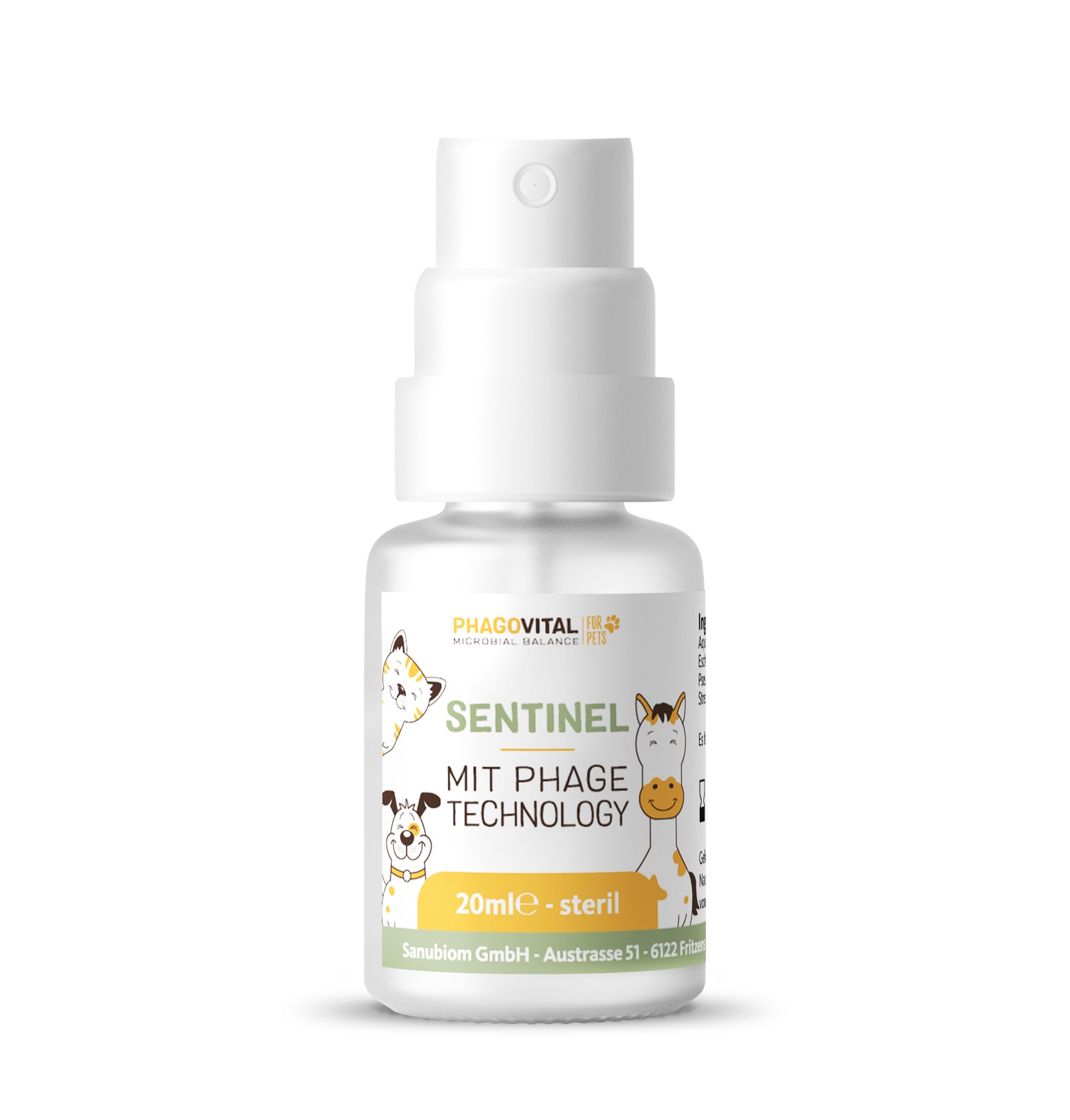
Purchase Bacteriophages
Treatment with bacteriophages is usually started immediately. Since bacteriophages have no side effects, this procedure is harmless.
Mögliche Bezugsquelle Phagen:
Application of Bacteriophages
Summary:
Quantity: 2-6 ml depending on application area and size of the animal
Application: min. 2 times per day
Duration: min. 10 days
-
- Topic
- Voices
- Last Post
-
-
Wo kann man Bakteriophagen kaufen?
1
2
…
4
5
Started by:
in: Bakteriophagen
- 33
- 2 years, 5 months ago
-
Zistytis mit e.coli
Started by:
in: Bakteriophagen
- 1
- 1 year, 2 months ago
-
Viele Fragen :-)
1
2
Started by:
in: Bakteriophagen
- 11
- 1 year, 3 months ago
-
Wo kann man Bakteriophagen kaufen?
1
2
…
4
5


