
Viruses may help treat Pseudomonas aeruginosa in cystic fibrosis
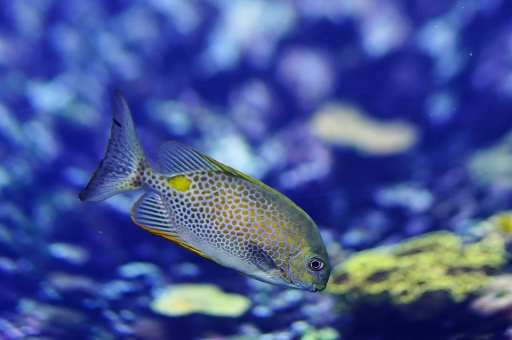
Using a freshwater fish model of cystic fibrosis (CF), the researchers found that a combination of bacteriophages and antibiotics is effective against the disease.
Pneumonia caused by Pseudomonas aeruginosa bacteria is the leading cause of death in CF patients. Because current antibiotics do not protect against hard-to-treat bacteria, there is a great need for alternative therapies.
In a recently published study, researchers described a cocktail of bacteriophages—viruses that naturally infect bacteria—that were effective against P. aeruginosa in two animal models of acute infection. The researchers then tested how a similar approach would work in a freshwater zebrafish model of CF. Although an animal model without lungs may not be best suited to test a treatment for CF, zebrafish that have been genetically modified to lack the CFTR gene (the gene defective in CF) show a very similar manifestation of the disease to humans. The genetic sequence of CFTR is quite similar across species.
In the study, the researchers infected zebrafish embryos and confirmed that fluorescently labeled bacteria rapidly spread throughout the entire embryo. The infection caused the death of at least 50% of the embryos 20 hours after infection. As expected, embryos with CF were more susceptible to bacterial infections and showed significantly increased mortality compared with normal embryos.
Phage therapy against a P. aeruginosa infection was administered to both the control and CF embryos, and the team observed a significant reduction in lethality—an average decrease from 66% to 35% for the controls and from 83% to 52% for the CF embryos.
When the researchers tested a combined treatment of phages with the antibiotic ciprofloxacin, they observed an even lower death rate compared with embryos treated with phages alone or with the antibiotic.
Overall, the results showed that “phage therapy can reduce lethality, bacterial burden, and the pro-inflammatory response caused by [Pseudomonas aeruginosa] infection,” the researchers said.
The data also suggested that “phage therapy and antibiotic administration appear to be a promising therapeutic approach, particularly to reduce antibiotic doses and treatment duration,” the team concluded.
Cafora M, Deflorian G, Forti F et al. Phage therapy against Pseudomonas aeruginosa infections in a cystic fibrosis zebrafish model // Scientific Reports 2019, 9, Article number: 1527. https://doi.org/10.1038/s41598-018-37636-x


