
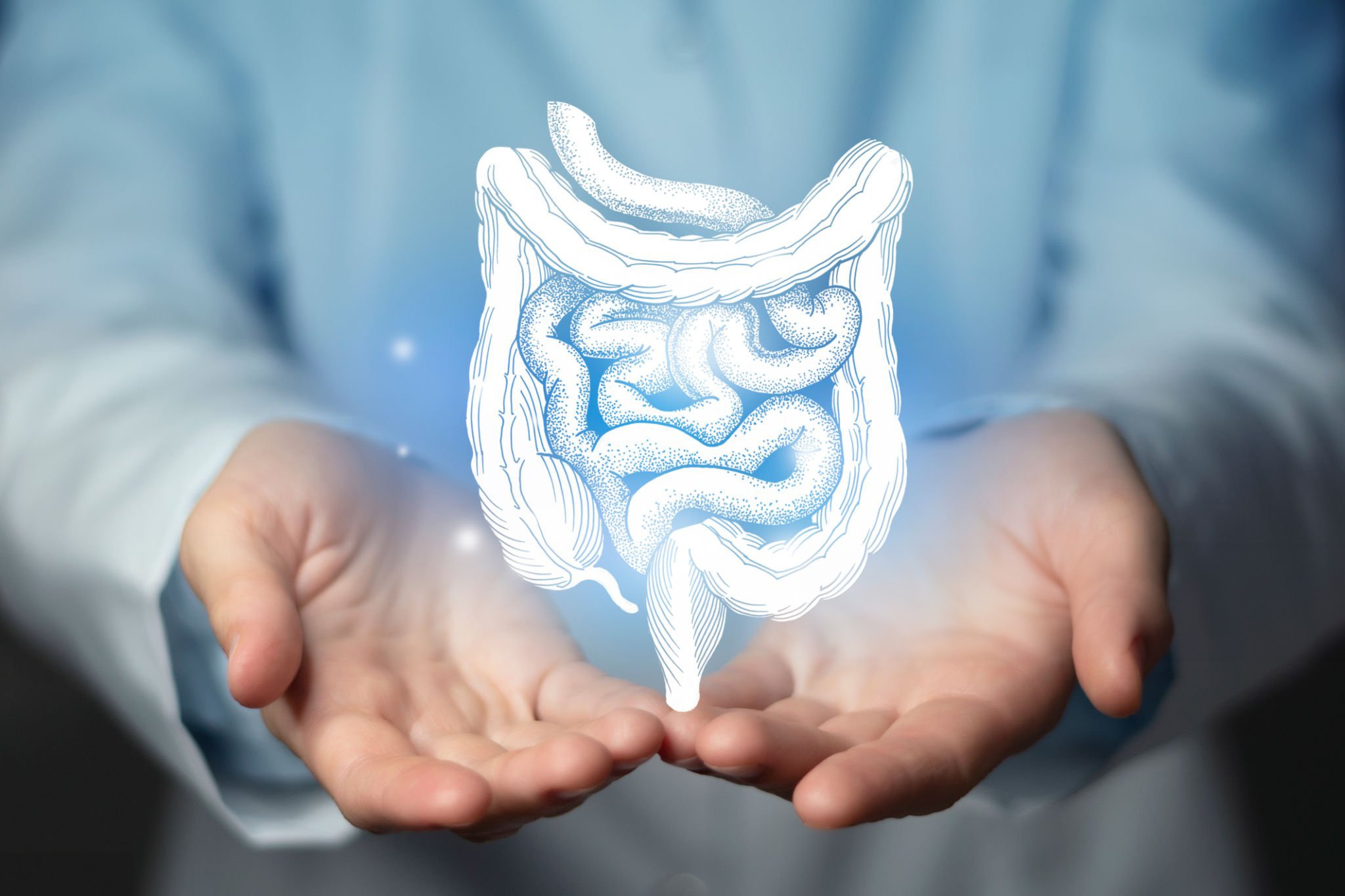
1. The Hidden Army: How the Gut Controls Our Immune System
Our gut is far more than a digestive organ; it is the headquarters of our immune system. Approximately 70% to 80% of all immune cells are located in the intestinal wall. The bacteria living there train these cells and produce metabolic products that regulate inflammation.
The Link Between the Microbiome and Hospitalizations
The study Relationship between Gut Bacteria and Infection Risk demonstrates that people with low bacterial diversity are significantly more likely to be hospitalized for severe infections – from pneumonia to sepsis. Bacteria that produce short-chain fatty acids like butyrate appear to play a key role. Butyrate strengthens the intestinal barrier and prevents germs from entering the bloodstream.
2. The Global Resistance Crisis: When the Protective Wall Breaks
When the balance in the gut is disturbed (dysbiosis), pathogenic germs gain the upper hand. This is often the result of massive antibiotic use. While antibiotics are life-saving, they act like a “biological clear-cutting.” They do not distinguish between the pathogen causing an infection and the beneficial guardians in the gut.
The Problem of Multidrug Resistance
Through the overuse of broad-spectrum antibiotics, germs have developed worldwide that are immune to almost all available drugs. These multidrug-resistant pathogens (MDR) pose an enormous threat, especially in hospitals. Patients admitted due to a weakened microbiome encounter germs there against which conventional therapies are powerless. We urgently need innovative antibiotic resistance solutions.
3. Bacteriophages: The Return of Biological Precision
This is where bacteriophage therapy comes into play. Bacteriophages (phages for short) are viruses that exclusively infect bacteria. They are highly specialized: a phage recognizes its target bacterium like a key fits a lock.
Digression: A Look at Georgia and Eastern Europe
While the West has relied almost exclusively on chemical antibiotics for the past 80 years, phage research has continued uninterrupted in Georgia (Eliava Institute in Tbilisi). There, phage cocktails are an integral part of clinical routine. Patients with severe intestinal or wound infections are treated with “tailor-made” biological hunters that leave the healthy intestinal wall intact – knowledge that is now experiencing a worldwide renaissance.
4. Scientific Focus: Phage-Antibiotic Synergy (PAS)
One of the most fascinating fields of modern microbiology is the realization that phages and antibiotics often work better together than alone. This effect is known as Phage-Antibiotic Synergy (PAS).
The Mechanism of PAS in Detail
The synergy effect is based on several biological processes:
-
Filamentation: Certain antibiotics (in low doses) prevent bacterial cell division but allow them to continue growing. These elongated “giant cells” offer phages a much larger attack surface and lead to a massively increased production of new phages inside the bacterium.
-
Biofilm Penetration: Many hospital germs protect themselves with biofilms (slime layers). Phages produce enzymes that dissolve this slime, allowing antibiotics to reach the core of the infection in the first place.
-
Resistance Trade-off: To become resistant to phages, bacteria often have to change their surface structures. This change paradoxically often makes them susceptible again to antibiotics against which they were previously resistant.
By applying Phage-Antibiotic Synergy, we can reactivate the effectiveness of existing drugs while protecting the patient’s microbiome.
5. Prevention and Therapy: Actively Protecting the Microbiome
The realization that gut flora determines the risk of hospitalization must lead to a rethinking. We must not only heal the microbiome when it is already too late, but strengthen it preventively.
Strategies to Strengthen Defenses:
-
Targeted Diagnostics: Microbiome analyses can provide early warning signs of dysbiosis.
-
Probiotics and Prebiotics: Targeted feeding of beneficial bacteria promotes butyrate production.
-
Phage Remediation: In cases of overgrowth with potentially dangerous germs (such as Clostridioides difficile or certain E. coli strains), phages could be used to “weed them out” before they trigger a systemic infection.
6. The Path to the Clinic: Challenges of Phage Therapy
Despite overwhelming evidence of efficacy, there are regulatory hurdles. In Germany, bacteriophage therapy is often only accessible as an “individual healing attempt.” The rigid approval procedures for drugs are designed for static chemical agents, not for biologically dynamic phages that can evolve in the patient.
However, the study on infection risk mentioned in the article underscores the urgency of overcoming these hurdles. If we want to reduce the risk of hospitalizations, we must learn to manage the gut ecosystem with biological means.
FAQ – Frequently Asked Questions
1. How exactly do gut bacteria protect against pneumonia? Gut bacteria produce messenger substances that travel via the bloodstream to immune cells in the lungs and increase their activity. In addition, an intact intestinal barrier prevents bacteria or their toxins from “leaking” into the body (leaky gut) and burdening distant organs.
2. Can I take phages for prevention? Currently, phages are primarily used to treat acute or chronic infections. Research into “preventive cocktails” for microbiome optimization is still in its early stages but is a promising field for the future.
3. Why is the combination of phages and antibiotics (PAS) so effective? Because it traps the bacterium in an evolutionary dilemma. It often cannot simultaneously defend itself against the physical attack of the phage and the chemical attack of the antibiotic.
4. Are phages dangerous for “good” gut bacteria? No. Phages are extremely selective. A phage that kills a pathogenic germ leaves the beneficial butyrate producers completely undisturbed. This is the great advantage over antibiotic therapy.
5. Where can I receive phage therapy? In specialized centers (often abroad, such as Georgia or Poland) or in Germany as part of individual healing attempts in cooperation with specialized laboratories. You can find more information on our Treatment page.
Conclusion: Health Begins in the Gut – and the Future is Biological
The connection between gut flora and severe infections is undeniable. A healthy microbiome is our most important insurance against hospitalizations. Where this insurance fails or has been destroyed by antibiotics, bacteriophage therapy and especially Phage-Antibiotic Synergy offer a way out of the dead end of multidrug resistance.
It is time to view bacteria not just as enemies, but as partners in a complex system that we can protect and heal with phage precision.
Further Links:
Note: This article is for informational purposes only and does not replace medical advice. If you suspect an infection or have intestinal complaints, please consult qualified medical personnel.

Author: David Brand
As an author, David Brand is dedicated to providing well-founded education on health topics. His goal is to bring reliable information into focus and help patients better understand complex medical issues. Through thorough research and clear language, he provides orientation in the modern health jungle – always with a focus on verified facts.


